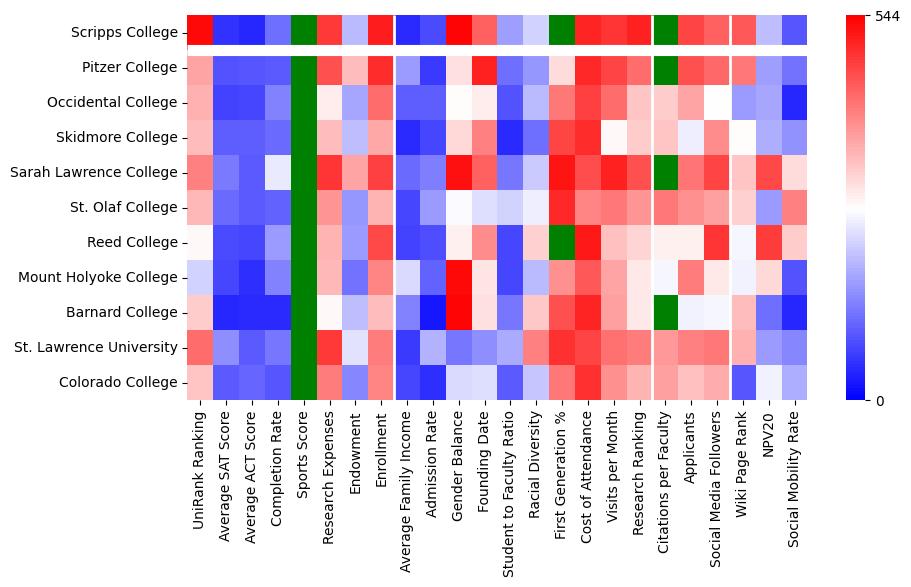
Scripps College, founded in 1926, is a private liberal arts women's college located in Claremont, California. It is part of the prestigious Claremont Colleges consortium, which includes five undergraduate and two graduate institutions. The college was established by Ellen Browning Scripps, a prominent philanthropist and advocate for women's education, with a mission to provide women with a comprehensive liberal arts education. The campus is renowned for its stunning Spanish Colonial Revival architecture and beautifully landscaped gardens, contributing to an inspiring academic environment.
What sets Scripps College apart is its commitment to fostering a close-knit, empowering community that encourages personal growth and intellectual exploration. As a women's college, it places a strong emphasis on leadership development and gender studies, creating a unique environment where women can thrive academically and personally. Scripps is also known for its vibrant arts scene, with numerous opportunities for students to engage in visual arts, music, and theater. The college's membership in the Claremont Colleges consortium offers students access to expanded resources, courses, and social events, greatly enriching the educational experience.
Academically, Scripps College is recognized for its rigorous curriculum and commitment to interdisciplinary learning. The college offers more than 65 majors through its own courses and those available at the Claremont Colleges. Scripps is particularly renowned for its programs in the humanities, social sciences, and the arts. The Core Curriculum in Interdisciplinary Humanities is a hallmark of the Scripps academic experience, emphasizing critical thinking and broad-based learning. Additionally, the college's strong writing program ensures that graduates are well-equipped with communication skills essential for success in any field.
While Scripps College has many strengths, there are areas where it faces challenges. The college's tuition and fees are relatively high, which can be a barrier for some prospective students despite its commitment to financial aid. Additionally, as a small institution, Scripps may offer fewer specialized courses or research opportunities compared to larger universities. However, the consortium structure helps mitigate these limitations by providing access to a broader array of resources and academic offerings. Despite these challenges, Scripps College remains a highly regarded institution that offers a distinctive and enriching educational experience.